
ICT Solutions for Disaster Management and Smart Cities
Timely Decision-Making; Efficient, Vectored Response; Effective Monitoring
OVERVIEW
Disasters disrupt. Consequently, Disaster Managers face two critical conditions in immediate aftermath of major disaster, (a) disruption (partial to total) of communication with the affected regions; and (b) near-total breakdown of terrestrial connectivity (i.e. surface transportation). These two conditions constrain movement of personnel, as also inhibit the flow of information between the disaster management emergency operations centre(s), decision makers, disaster managers, various responders and the victims. It also leads to a lack of situational awareness (i.e., “what has happened where, & how much”), which results in a decision paralysis and manifests as a poor response.
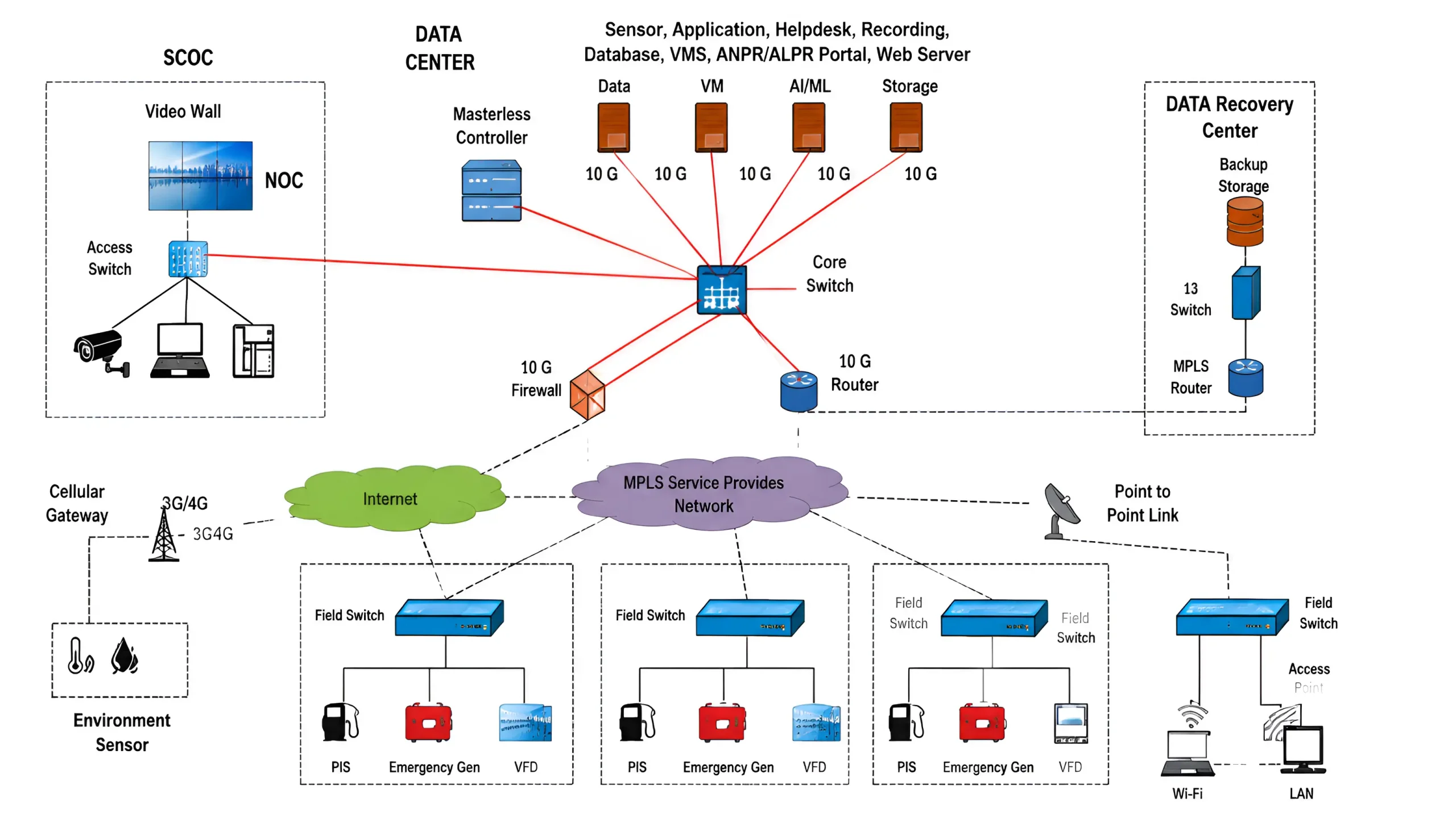
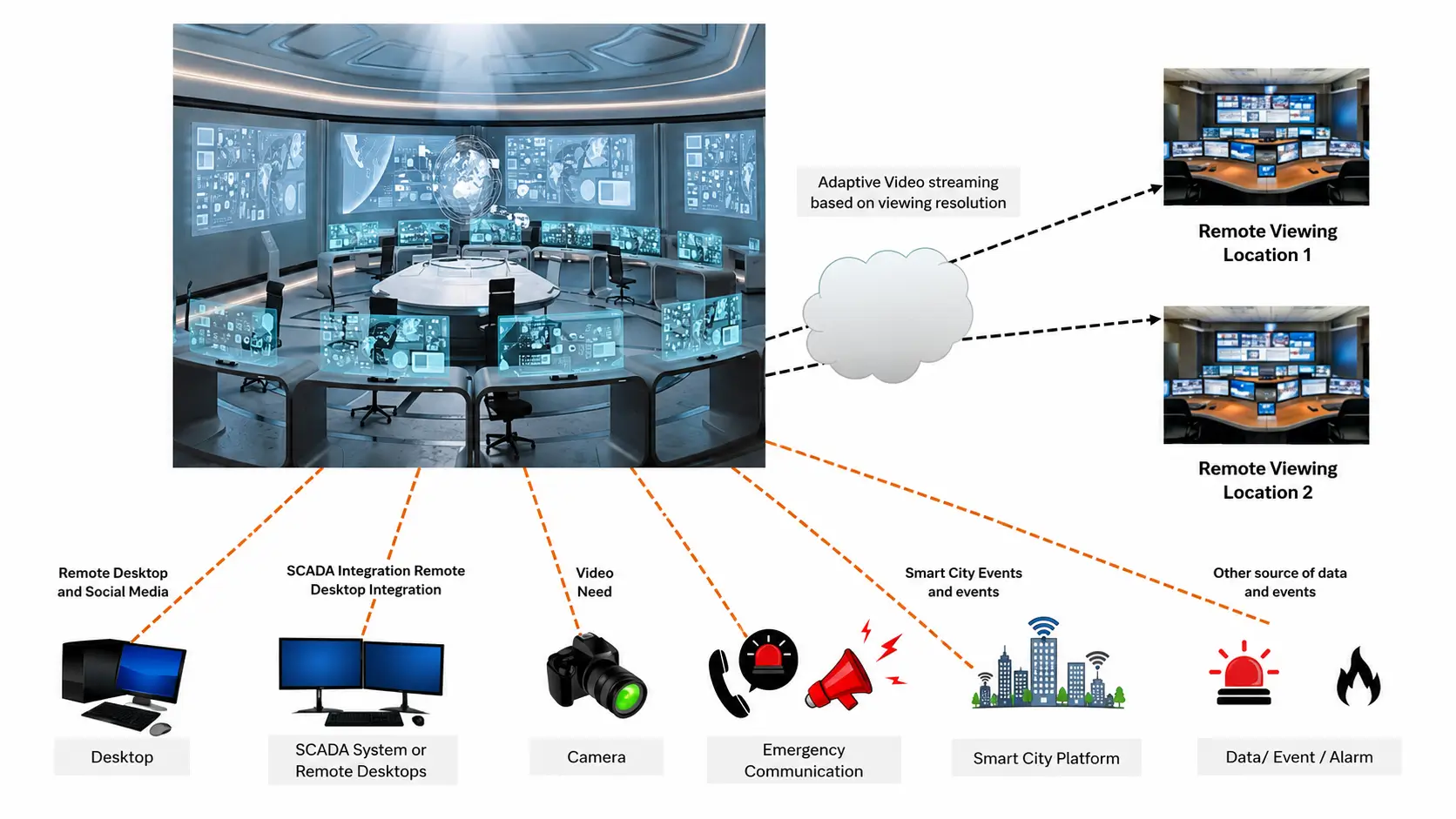
ICT-rich emergency operations centres (EOC) which remain capable of maintaining business continuity” in the aftermath of any major disaster transform disaster management, response and relief by integrating data from IoT sensors, date-lakes, AI, GIS, and visualisation systems by enabling proactive hazard detection and optimized emergency response. These solutions bridge mitigation, preparedness, response, and recovery phases, significantly improving community resilience against both fast- and slow-onset crises.
We have established expertise in designing and delivering ICT solutions (Command & Control Centres for disaster management, smart cities, election results, monitoring of health services, Output & Performance-Based Road Maintenance Contract (OPRMC), water resources management, integrated command & control centre for the police, etc).
WHAT WE DO
Capabilities
Technical Assistance For Turn-key Projects
Assist in setting up geospatial-and-data-rich, future-ready Emergency Operations Centres [in include: preparation of Gap Analysis; Concept Note-cum-Scope of Work; detailing of hardware, software, applications, work-flows, protocols Detailed Project Report (DPR), and Request For Proposal (RFP)].